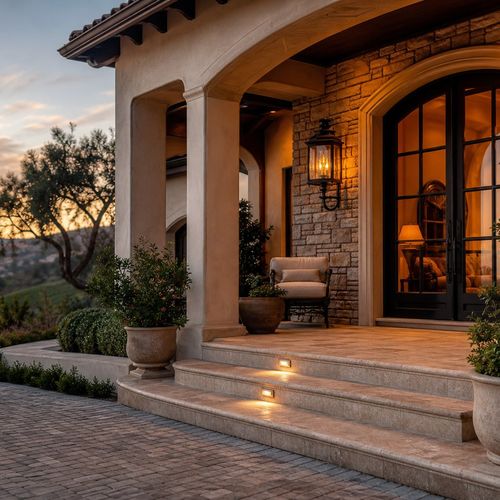
What should you check on Temecula Wine Country homes besides the view?
On Temecula Wine Country homes, check the parcel before the picture: zoning and permitted uses, recorded legal access, the well, the septic system, slopes and drainage, and the approved status of every outbuilding. Two properties with identical views can carry very different legal limits and ownership workloads. The only reliable way to compare them is parcel by parcel, starting with the assessor's parcel number.
Key Takeaways
- The Inland Empire's September 2026 median sale price was $580,000 with 59 days on market, but that is a regional figure and says nothing precise about Wine Country acreage.
- Acreage alone does not prove a parcel can support a second dwelling, barn, workshop, pool, or vineyard.
- A listing phrase like "horse property," "vineyard," or "guest house potential" is marketing, not proof that the use is legally permitted.
- A private well and a septic system each need their own records review and specialist inspection, and the septic system must be judged against the bedrooms and improvements you plan to have.
- Legal access is a document question and a physical question, so you need to read the recorded easements and also drive the route.
I live in Temecula and work Wine Country listings regularly. The buyers who get surprised are almost never surprised by the view. They're surprised by the road agreement, the septic permit, or the finished barn that was never approved as living space. This is the checklist I walk my clients through before we write an offer on any of these properties.
How do you vet a Wine Country parcel before the view takes over?
Start with the assessor's parcel number (APN) and use it to pull zoning, easements, and permit history before you spend money on inspections. Everything else in this checklist hangs off that number.
What should you request using the parcel number?
The APN is on the listing or in county records. With it, request or verify the following:
- Current zoning and any overlay or specific-plan designation that applies to the parcel.
- Recorded easements for access, utilities, drainage, or conservation.
- Permits for the residence, additions, septic system, well, pool, barns, workshops, garages, and other detached structures.
- How each structure is classified: dwelling, agricultural building, accessory structure, or unpermitted improvement.
Permitted uses, development standards, and accessory-structure options depend on whether the parcel falls under Riverside County or City of Temecula zoning, plus any overlay or specific plan. I don't guess at this. You confirm it with the relevant planning agency for that exact parcel, and I'll help you ask the right questions.
Does acreage mean you can build what you want?
No. Lot size does not establish buildability. Whether a parcel can support a residence, second dwelling, barn, workshop, pool, or vineyard can depend on legal access, setbacks, easements, slopes, drainage, fire access, utility availability, septic suitability, and whether prior structures were permitted. A five-acre parcel with a steep, constrained building area can be worth less to you than a flatter, cleaner parcel with fewer acres.
How do you verify legal access to a rural Wine Country property?
Verify access in two ways: read the recorded documents, then inspect the route in person. A street address on a listing map does not prove you have a recorded right to use the road.
On the document side, confirm:
- Who owns the road or shared driveway.
- Whether the access easement is recorded.
- Who maintains the road and how maintenance costs are split.
- Whether a road-maintenance agreement exists.
On the physical side, look at gates, steep grades, drainage crossings, and erosion. Ask whether the route works for moving trucks, fuel delivery, septic service, utility crews, and emergency vehicles. If you can, drive or walk it after a rain, because drainage problems don't always show in dry conditions.
Why do slopes and drainage matter more than the view?
Because hillside conditions affect access, insurance, maintenance, future construction, and where septic components can go. Look at retaining walls, hillside driveways, seasonal drainage, and runoff patterns. A general home inspection is not a substitute for a geotechnical, civil, septic, well, structural, or drainage specialist, so bring in the right one when the land raises questions. For a wider look at how the high end of this area works, see my breakdown of Temecula Wine Country luxury homes for sale.
What do wells, septic systems, and vineyards demand from an owner?
Each one is an operating system with its own records, inspection, and upkeep, and none of them is proven sound by its mere existence. Treat them as separate line items in your due diligence.
What should you check on a private well?
A well's existence does not establish adequate year-round supply or safe drinking water. Request the well's location and construction details, available production or flow records, and water-quality testing history. Ask about pump and pressure equipment, treatment equipment, and whether the well is shared. If it is, get the shared-well or maintenance agreement and find out who is responsible for repairs.
Then arrange an appropriate inspection or flow test and test the water for contaminants suited to the property and local conditions. Clear or good-tasting water is not proof of safe water.
How do you know if a septic system fits the house?
Judge the septic system against the bedrooms, bathrooms, guest accommodations, and additions you actually plan to use. Ask for available permits, then make sure the inspection locates every component: the tank, inlet and outlet, distribution box, leach or dispersal area, reserve area, and cleanouts. Ask about pumping and repair history too.
Two questions catch most problems. Was the system designed for the current bedroom count? And would an addition, guest unit, event use, or higher occupancy need a new evaluation or approval? Also confirm that any improvement you're picturing, like a pool or barn, won't sit on a required replacement or reserve area. I'd confirm current Riverside County Environmental Health requirements for your specific parcel rather than rely on general rules.
How should you evaluate vineyards and agricultural improvements?
Treat them as working equipment, not landscaping. Ask about the irrigation source and capacity, water-storage tanks, pumps, filtration, frost protection, trellis condition, drainage, and soil conditions. Ask about pest management, harvest arrangements, and any agricultural leases or service contracts. Confirm what conveys with the sale and whether those improvements carry their own maintenance or water obligations.
How do you compare two Temecula Wine Country homes side by side?
Run both parcels through the same checklist and compare what each one is legally and practically able to do, not how each one looks. When I compare Temecula Wine Country homes for a buyer, I use a simple grid like the one below.
| Item to verify | What to request | Who typically evaluates it |
|---|---|---|
| Zoning and overlays | Zoning designation and any overlay or specific-plan requirements by APN | Riverside County or City of Temecula planning |
| Legal access | Recorded easements and any road-maintenance agreement | Title records review and an in-person route inspection |
| Private well | Location, construction details, flow records, water-quality results | Well contractor and a water-testing lab |
| Septic system | Permits, component locations, service history, reserve area | Septic inspector |
| Outbuildings | Permits and approved use for each structure | Permitting agency and a structural reviewer |
| Slopes and drainage | Grading, retaining wall, and runoff information | Geotechnical or civil specialist |
Does a finished barn, casita, or workshop count as approved space?
No. A finished interior, electrical service, plumbing, or a separate entrance does not make an outbuilding an approved dwelling. For each detached structure, document its permitted use, foundation, utilities, plumbing, heating and cooling, fire separation, setbacks, and connection to septic capacity. If a listing calls something a "casita," "studio," "guest house," or "potential ADU," verify it with the permitting agency before you assign it any residential value. For a look at how casita-style homes are marketed locally, see my post on Meadowview homes with a casita.
Does a "horse property" label mean horses are allowed?
Not by itself. The label describes how the home is marketed, while your rights depend on zoning, approvals, and the condition of the improvements. Confirm the parcel's allowed uses and check that the barn, arena, and fencing were permitted. My Temecula horse property and acreage buyers guide goes deeper on that side of the search.
What does the 2026 market data say, and what doesn't it say?
The most recent report I'm relying on is for September 2026 and covers the broader Inland Empire. It lists a $580,000 median sale price, 15,065 homes for sale, 3,248 home sales, 59 days on market, and four months of supply, according to Homes.com's Inland Empire housing market report.
Those numbers describe a regional market. They do not isolate Temecula Wine Country acreage, so don't use them to judge what a specific estate or vineyard parcel is worth. Wine Country pricing turns on the parcel's land, water, access, and improvements. The same regional report is a useful backdrop, and a property-specific analysis is what actually gets you to a number. For the broader picture across the valley, read what local market trends buyers should know.
How should you schedule inspections and contingencies?
Build the schedule before you write the offer. Rural properties can call for separate well, septic, survey, septic-design, geotechnical, structural, roof, pool, solar, agricultural, and outbuilding reviews on top of a standard home inspection. Your purchase contract's contingency periods need to leave enough time to gather records, book specialists, and investigate approvals before any deadline expires. That's the kind of planning I do with buyers before we go under contract, and it's easier to build in from the start than to scramble for later. If you're also weighing new builds in the area, I cover that in new construction in Temecula Wine Country.
What any of this will cost you depends on the property's condition and what each specialist finds, which is why I'd rather run it with you against a real parcel than hand you a number on a page.
You can read what clients say about working with me on Zillow.
FAQ
What should I inspect before buying an acreage property in Temecula Wine Country?
Inspect the parcel's legal access, zoning, well, septic system, slopes and drainage, and every outbuilding, in addition to the house itself. Start with the assessor's parcel number to pull permits and recorded easements. A general home inspector won't cover all of this, so plan on specialists for the well, septic, and any hillside concerns.
How do I verify whether a property has legal access?
Review the recorded access easement and any road-maintenance agreement, then inspect the route yourself. Confirm who owns and maintains the road and how costs are shared. Also check gates, grades, and drainage crossings, and consider whether delivery trucks, septic service, and emergency vehicles can reach the home.
How can I tell whether a septic system is large enough for the house?
Compare the system's approved design to the current bedroom count and to any additions or guest space you plan. Request permits, have every component located, and ask about service history. If you plan an addition, guest unit, or higher occupancy, confirm whether a new evaluation or approval would be needed first.
Can I build a guest house, barn, workshop, or second dwelling on Wine Country acreage?
It depends on the specific parcel's zoning, overlays, setbacks, access, septic capacity, and slopes, so acreage alone isn't the answer. Verify the allowed uses with the Riverside County or City of Temecula planning agency that governs the parcel before you assign value to any planned structure.
Who should inspect the well, septic system, road, slopes, and outbuildings before I remove contingencies?
Each system calls for its own specialist: a well contractor and water-testing lab for the well, a septic inspector for the septic system, and geotechnical, civil, or structural professionals for slopes and outbuildings. Schedule them early enough that results arrive before your contingency deadlines.
Ready to compare Wine Country properties parcel by parcel?
The view sells the property, but the parcel's access, water, septic, and approvals decide what ownership will actually look like. If you're shopping Temecula Wine Country homes or acreage, I'll help you build the document requests, specialist schedule, and side-by-side comparison before you commit. Schedule a buyer consultation, call me at (951) 816-0619, or email [email protected]. I'm available 7am to 7pm, seven days a week. You can also explore the areas I serve. If you're earlier in the process, what buyers wish they knew before buying in Temecula, Murrieta, or Menifee is a good place to start.
About Anthony Anselmo, REALTOR® | Abundance Real Estate | DRE #02159710
Anthony Anselmo is a REALTOR® and team lead at Abundance Real Estate in Temecula, California. He serves buyers, sellers, and investors across Southwest Riverside County, including Temecula Wine Country, Murrieta, Menifee, Winchester, and French Valley, with focused expertise in luxury and custom homes, acreage and equestrian property, new construction, and relocation. He lives in Temecula's Meadowview community and also owns Escrow Edge, an ancillary escrow company. Reach the firm at (951) 816-0619.
Abundance Real Estate
Equal Housing Opportunity. Anthony Anselmo, REALTOR® | DRE #02159710 | Abundance Real Estate, 30070 Temecula Parkway, Suite 201, Temecula, CA 92592. Regulated by the California Department of Real Estate (DRE). This article is general information, not legal, tax, or financial advice; confirm your own numbers with your closing agent, tax advisor, or lender.
Check out this article next